


Introduction
The fleet management industry is at a pivotal moment. Economic pressures, sustainability goals, and a surge in digital innovation are transforming the way fleets operate. Companies that adapt to these changes can achieve significant cost savings, boost operational efficiency, and improve driver satisfaction.
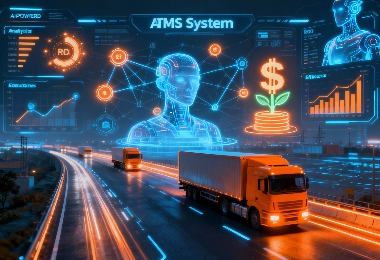
By 2025, AI-powered Transportation Management Systems (TMS) have become essential for high-performing fleets. These systems automate planning, optimize routes, and provide real-time visibility, helping businesses cut costs, improve compliance, and keep up with industry changes.
Here are the Top Fleet Management Trends for 2025 shaping the future of logistics:
1. AI-Driven Route & Load Optimization
Why it matters:
Manual route planning is quickly fading out. AI algorithms now analyze traffic, weather, delivery schedules, and vehicle capacity to create the most efficient routes and load assignments. This reduces wasted miles and increases asset utilization.
Key Impacts:
- Fuel Savings: Reduce fuel consumption by up to 20% through optimized routing and load efficiency.
- Time Efficiency: Cut delivery times by around 30% with real-time re-routing during delays.
- Driver Productivity: Minimize idle time and empty miles by 20–25%, increasing delivery capacity and utilization.
2. Sustainability & Fuel Efficiency
Why it matters:
With fuel costs still one of the top three operating expenses, optimizing fuel consumption is essential. AI-powered TMS can help fleets lower emissions and meet sustainability regulations while keeping fuel bills under control.
Key Impacts:
- Lower Fuel Costs: Smart route planning and a reduction in idle time can cut annual fuel costs by 12–15%.
- Eco-Friendly Operations: Smarter operations can lower fleet carbon footprint by 15–20%, supporting ESG initiatives.
- Competitive Edge: Win contracts from companies prioritizing green logistics.
3. Real-Time Fleet Visibility
Why it matters:
GPS tracking, telematics, and AI-powered dashboards give dispatchers and managers full visibility into vehicle locations, driver performance, and delivery status at any moment.
Key Impacts:
- Faster Response Times: Real-time visibility speeds up response to disruptions by 40–50%.
- Improved Customer Service: Provide accurate ETAs and updates.
- Enhanced Security: Reduce theft and misuse with location tracking.
4. Driver Retention & Productivity Tools
Why it matters:
Driver shortages remain a challenge. Fleets are using AI to optimize schedules, minimize downtime, and improve work-life balance. These changes help increase retention and boost morale.
Key Impacts:
- Lower Turnover Rates: AI-driven scheduling can reduce turnover by 15–20% by creating fairer workloads.
- Better Scheduling: AI balances routes to avoid fatigue and burnout.
- Higher Productivity: Intelligent load planning cuts wasted hours by 20–25%, boosting delivery output per driver.
5. Predictive Maintenance with IoT & AI
Why it matters:
Unexpected breakdowns are a major disruption for operations. Traditional maintenance schedules usually depend on time or mileage, which can overlook early signs of vehicle problems.
Key Impacts:
- Lower Maintenance Costs: Early issue detection cuts repair expenses by 10–15%.
- Reduced Downtime: Keep vehicles on the road longer.
- Extended Asset Life: Optimize vehicle replacement cycles.
6. Data-Driven Decision Making
Why it matters:
Fleet data is now a goldmine for business growth. AI-powered analytics transform data from telematics, fuel logs, and driver reports into actionable strategies.
Key Impacts:
- Better ROI Tracking: Fleets report up to 20% better cost recovery when using data analytics.
- Informed Strategy: Identify inefficiencies and new revenue opportunities.
- Scalable Operations: Insights from analytics support growth—20–25% more efficient operations without increasing overhead.
The Road Ahead
In today’s transportation landscape, AI-powered real-time data is no longer optional — it’s essential. Fleets that embrace it gain a decisive advantage: costs drop, operations run smoother, and service quality reaches new heights.
Think of AI data as fuel. The more consistently you keep it flowing, the more power it delivers — analyzing patterns, predicting outcomes, and guiding every operational decision. Fleets that leverage this data won’t just survive the challenges of a competitive market; they’ll thrive — with smarter decisions, stronger performance, and happier customers.